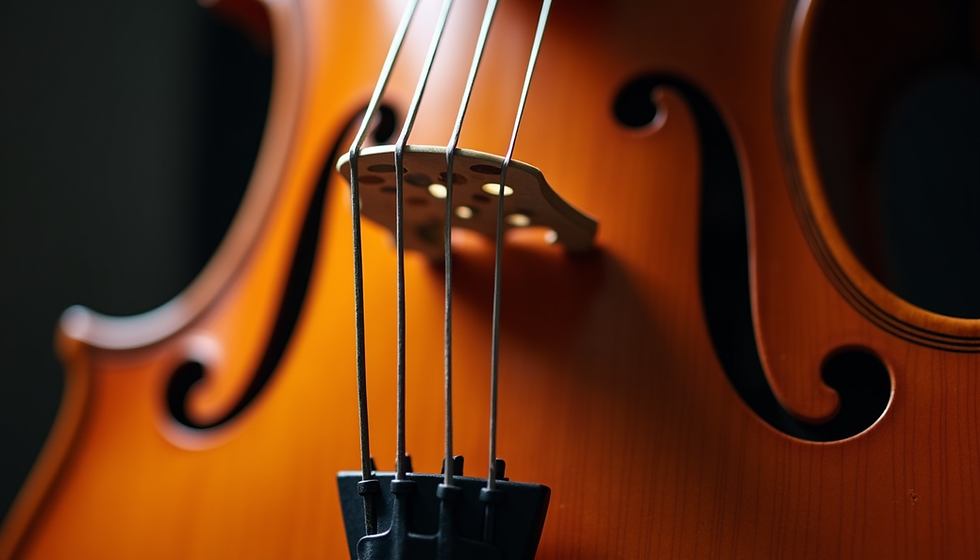
The Art of Cello: Exploring Techniques for Creating Emotional Depth in Your Music

The cello holds a unique place in the world of music. Its rich, warm tones can evoke a wide range of emotions, from deep sorrow to joyful celebration. Yet, mastering the cello’s expressive potential requires more than just technical skill. It demands an understanding of how to use specific techniques to bring emotional depth to your playing. This post explores practical ways to enhance your cello music, helping you connect with listeners on a deeper level.

Understanding the Emotional Power of the Cello
The cello’s sound is often described as closest to the human voice among string instruments. This quality makes it ideal for expressing complex emotions. To tap into this power, you need to focus on tone production, phrasing, and dynamics.
Tone production: The way you draw the bow across the strings affects the sound’s warmth and intensity. A slow, steady bow stroke produces a smooth, singing tone, while a faster stroke can add urgency or excitement.
Phrasing: Think of your music as a conversation. Use phrasing to shape sentences, emphasizing important notes and allowing others to breathe.
Dynamics: Varying volume levels adds contrast and drama. Soft passages can create intimacy, while louder sections convey passion or strength.
Bowing Techniques to Enhance Expression
The bow is your primary tool for shaping sound on the cello. Different bowing styles can dramatically change the emotional impact of your music.
Legato: Smooth, connected bow strokes create a flowing, lyrical sound. Use legato to express calmness or tenderness.
Staccato: Short, detached strokes add energy and playfulness. This technique works well for lively or rhythmic passages.
Spiccato: Bouncing the bow lightly on the strings produces a light, airy effect. It can add sparkle or excitement.
Sul tasto and sul ponticello: Playing near the fingerboard (sul tasto) softens the tone, while playing near the bridge (sul ponticello) creates a glassy, eerie sound. These techniques help convey different moods.
Vibrato and Its Role in Emotional Depth
Vibrato is a subtle oscillation in pitch that adds warmth and richness. It can make a note feel more alive and expressive.
Start with a slow, wide vibrato for emotional, heartfelt passages.
Use faster, narrower vibrato to add tension or excitement.
Avoid overusing vibrato; silence or straight tone can be powerful in the right moments.
Using Silence and Space
Sometimes what you don’t play is as important as what you do. Pauses and rests give listeners time to absorb the music’s emotion.
Use silence to create anticipation or reflection.
Space between phrases can highlight important musical ideas.
Experiment with timing to find natural breathing points in your music.

Practical Exercises to Develop Emotional Playing
To build emotional depth, practice exercises that focus on control and expression.
Dynamic control: Play a simple melody, gradually increasing and decreasing volume. Notice how the mood changes.
Phrasing practice: Record yourself playing a phrase, then listen back to identify where you can add emphasis or space.
Vibrato drills: Practice slow vibrato on long notes, then vary speed and width.
Bowing variety: Experiment with different bowing techniques on the same passage to explore emotional effects.
Interpreting Music Beyond the Notes
Reading sheet music is just the start. To bring emotional depth, you must interpret the composer’s intentions and add your own feelings.
Study the piece’s background and context.
Identify key moments where emotion should peak.
Use your own experiences to connect with the music.
Collaborate with other musicians to explore different interpretations.
The Role of Posture and Physicality
Your body influences your sound. Good posture and relaxed muscles help you control the bow and finger movements.
Keep your back straight but relaxed.
Hold the cello firmly but without tension.
Use your whole arm for bowing, not just the wrist.
Regularly stretch to avoid stiffness.
Recording and Feedback
Recording your practice sessions can reveal details you might miss while playing.
Listen for tone quality, phrasing, and dynamics.
Ask for feedback from teachers or peers.
Use recordings to track your progress over time.
Final Thoughts on Creating Emotional Depth with the Cello
Developing emotional depth on the cello takes time and focused practice. By mastering bowing techniques, vibrato, phrasing, and dynamics, you can transform notes into meaningful stories. Remember to listen deeply, experiment with sound, and let your own feelings guide your playing. The cello’s voice is powerful—use it to connect with your audience in a way that words cannot.