Exploring the World of Cello: Tips for Beginners and Enthusiasts

The cello is a captivating instrument that offers a rich, warm sound unlike any other. Whether you are just starting out or have played for a while, understanding the cello’s unique qualities and how to approach learning it can make a big difference in your progress and enjoyment. This post explores practical tips and insights for beginners and enthusiasts eager to deepen their connection with the cello.

Getting to Know the Cello
The cello belongs to the string family and is known for its deep, resonant tone. It is larger than a violin or viola but smaller than a double bass. The cello’s range covers both bass and tenor registers, making it versatile for solo performances and ensemble settings.
Parts of the Cello
Familiarity with the cello’s parts helps beginners understand how the instrument works:
Body: The hollow wooden structure that amplifies sound.
Neck and Fingerboard: Where the player presses the strings to change pitch.
Strings: Usually four, tuned to C, G, D, and A from lowest to highest.
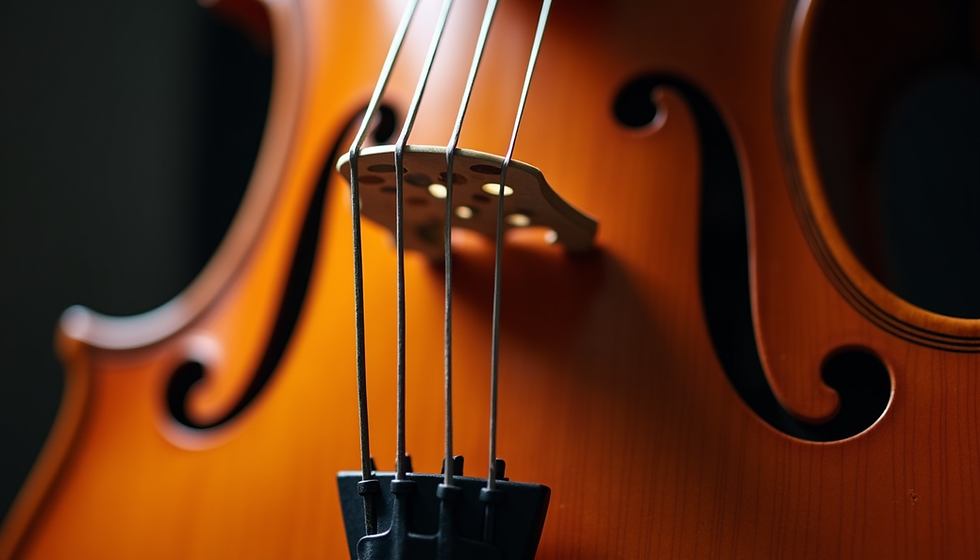
Bridge: Supports the strings and transmits vibrations to the body.
Bow: Used to create sound by drawing across the strings.
Knowing these parts helps with tuning, maintenance, and technique.
Choosing the Right Cello for Beginners
Selecting a cello that fits your size and budget is crucial. A cello that is too large or too small can hinder your ability to play comfortably.
Size matters: Cellos come in different sizes, from full (4/4) to smaller fractional sizes like 3/4 or 1/2. For children or smaller adults, a 3/4 or 1/2 size might be better.
New vs. used: Beginners often start with a used cello to save costs. Look for a well-maintained instrument without cracks or warping.
Renting options: Renting a cello is a good way to try the instrument before committing to a purchase.
Consulting with a teacher or a knowledgeable seller can help you find the best fit.
Essential Techniques for Beginners
Starting with the right technique builds a solid foundation and prevents bad habits.
Holding the Cello and Bow
Sit with your back straight and feet flat on the floor.
Rest the cello’s body between your knees, with the neck leaning slightly to your left.
Hold the bow with a relaxed grip, using your thumb and fingers to balance it.
Producing Sound
Use the bow to draw smooth, even strokes across the strings.
Avoid pressing too hard; let the bow’s weight create the tone.
Practice open strings first to focus on bow control.
Finger Placement
Place your fingers on the fingerboard to change pitch.
Start with simple scales to develop muscle memory.
Use a tuner or piano to check intonation.
Practicing Effectively
Consistent practice is key to progress, but quality matters more than quantity.
Set clear goals: Focus on one skill or piece at a time.
Use a metronome: Helps develop steady rhythm.
Break practice into segments: Warm-up, technique, repertoire, and cool-down.
Record yourself: Listening back reveals areas for improvement.
Avoid rushing through pieces. Slow, deliberate practice builds accuracy and confidence.

Exploring Different Styles and Repertoire
The cello is used in many musical genres, from classical to jazz and folk.
Classical music: Works by Bach, Dvořák, and Elgar are staples.
Contemporary pieces: Composers like Philip Glass and Max Richter offer modern cello music.
Popular music: The cello adds depth to rock and pop arrangements.
Improvisation and jazz: Some cellists explore improvisation, expanding the instrument’s possibilities.
Trying different styles keeps practice interesting and broadens your musical skills.
Caring for Your Cello
Proper care extends the life of your instrument and maintains sound quality.
Keep it clean: Wipe down the strings and body after playing to remove rosin dust and sweat.
Store safely: Use a hard case and avoid extreme temperatures or humidity.
Regular maintenance: Check the bridge, pegs, and strings for wear. Replace strings as needed.
Bow care: Loosen the bow hair after playing and rehair it periodically.
A well-maintained cello responds better and sounds richer.

Joining a Community
Playing the cello can feel more rewarding when shared with others.
Find a teacher: Personalized guidance accelerates learning.
Join ensembles or orchestras: Playing with others improves timing and listening skills.
Attend workshops and masterclasses: Learn new techniques and meet fellow cellists.
Online forums and groups: Share experiences and get advice.
Connecting with other players provides motivation and support.