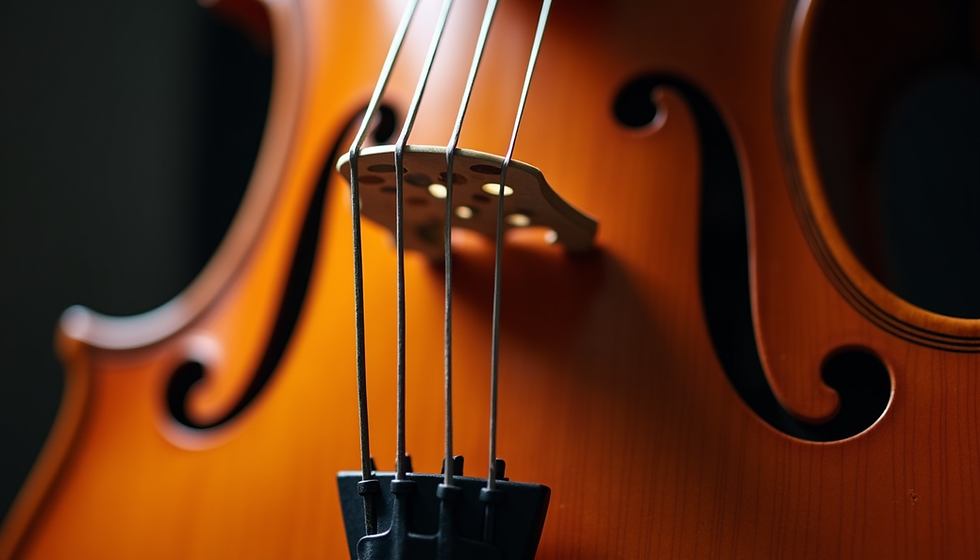
The Fascinating History of the Cello and Its Evolution Through the Ages

The cello holds a unique place in the world of music. Its rich, warm tones can evoke deep emotion, from the softest whisper to powerful declarations. But how did this instrument come to be? Understanding the cello’s history reveals not only its musical journey but also the cultural shifts that shaped its evolution. This post explores the origins of the cello, its development through centuries, and how it became the beloved instrument it is today.

Early Origins of the Cello
The cello, or violoncello, emerged in the early 16th century as part of the violin family. It evolved from earlier string instruments like the viola da gamba and the bass violin. These predecessors were larger and had different tuning systems, but they laid the groundwork for the cello’s design.
The first cellos were crafted in Italy, where luthiers such as Andrea Amati began experimenting with size and shape to create an instrument that could cover the bass range in ensembles. The cello’s name comes from the Italian word “violoncello,” meaning “little large viola,” reflecting its role as a smaller bass instrument.
Design and Construction in the Renaissance
Early cellos were quite different from modern ones. They were larger and had a flatter bridge, which made playing multiple strings simultaneously easier but limited the ability to play fast, intricate passages. The strings were made from gut, producing a softer, less projecting sound.
The instrument’s body was carved from spruce and maple, materials still used today. However, the craftsmanship was less standardized, leading to variations in size and shape. This period marked the beginning of the cello’s role in consorts and chamber music.
The Baroque Period and the Cello’s Rise
The 17th century brought significant changes to the cello. During the Baroque era, composers and performers began to recognize the cello’s potential as a solo instrument. This period saw improvements in the cello’s design and playing technique.
Innovations in Playing and Composition
Baroque composers like Johann Sebastian Bach wrote music that showcased the cello’s expressive range. Bach’s six suites for solo cello remain some of the most important works in the instrument’s repertoire. These suites demonstrated the cello’s ability to carry melody and harmony simultaneously.
Players developed new bowing techniques and fingerings to enhance the cello’s sound. The introduction of the curved bridge allowed for more precise playing on individual strings, enabling virtuosic performances.
Changes in Instrument Design
Luthiers refined the cello’s shape, making it slightly smaller and more comfortable to hold. The fingerboard was lengthened to allow for higher notes, and the neck angle was adjusted to improve string tension and sound projection.
The Baroque bow, shorter and with a convex curve, was replaced gradually by the modern bow shape, which allowed for greater control and dynamic range.

The Classical and Romantic Periods: The Cello’s Golden Age
The 18th and 19th centuries marked the cello’s rise to prominence in orchestras and solo performances. This era saw the cello become a staple in symphonies, chamber music, and concertos.
The Role of the Cello in Orchestras
Composers like Haydn, Mozart, and Beethoven expanded the cello’s role beyond the bass line. They wrote parts that highlighted its lyrical qualities and technical capabilities. The cello began to carry important melodic lines, often acting as a bridge between the higher strings and the bass.
The orchestra’s growth in size and complexity demanded a cello with greater projection and versatility. This led to further refinements in construction.
Technical Advances in the Instrument
The modern cello took shape during this period. The fingerboard was extended even further, and the neck was lengthened and angled to increase string tension. Steel strings began to replace gut strings, offering more volume and stability.
The endpin, a spike at the bottom of the cello, was introduced to support the instrument on the floor, allowing players to hold it more comfortably and play with greater freedom.
Famous Cellists and Composers
This period produced legendary cellists such as Pablo Casals, who revolutionized cello playing with his expressive style and technical mastery. Composers like Schumann, Dvořák, and Saint-Saëns wrote concertos that remain central to the cello repertoire.
The 20th Century and Modern Developments
The 20th century brought new challenges and opportunities for the cello. The instrument adapted to changing musical styles and technologies.
Expansion into New Genres
While the cello remained a classical mainstay, it also found a place in jazz, pop, and experimental music. Artists like Yo-Yo Ma expanded the cello’s reach by collaborating across genres and cultures.
Electric cellos were developed, allowing amplification and effects that opened new sonic possibilities. This innovation made the cello more accessible in contemporary music settings.
Advances in Materials and Craftsmanship
Modern luthiers continue to refine cello construction. New materials, such as carbon fiber, offer durability and consistent sound quality. Traditional wooden cellos remain prized for their rich tone, but innovations provide alternatives for different needs.
Education and Accessibility
The cello has become more accessible worldwide thanks to music education programs and affordable instruments. This has led to a growing community of players and enthusiasts, ensuring the cello’s continued evolution.

The Cello’s Enduring Appeal
The cello’s history shows an instrument that has continually adapted to meet musical demands. Its ability to express a wide range of emotions makes it a favorite among musicians and audiences alike.
Whether in a solo recital, chamber group, or full orchestra, the cello’s voice remains compelling. Its evolution reflects changes in music, technology, and culture, yet its core character endures.
For anyone interested in music, exploring the cello’s history offers insight into how instruments shape and are shaped by the art they serve. The cello’s journey from Renaissance workshops to modern concert halls highlights the power of craftsmanship and creativity.